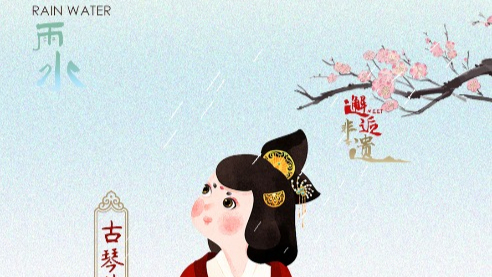
Rain Water
Overview
Rain Water, one of the 24 solar terms in the traditional Chinese solar calendar, marks a significant period in the agricultural and cultural calendar of China. It typically begins around Feb 18 or 19 and signifies the increase in rainfall and a rise in temperature, heralding the onset of spring. As the second solar term of the year, Rain Water encapsulates a time when the natural world begins to awaken from the dormancy of winter.
Climate and Weather Patterns
With the arrival of Rain Water, the natural scenery begins to transform. The frozen rivers start to thaw, and migratory birds like wild geese return northward, signaling the end of winter. Trees and grass begin to turn green, and the landscape becomes filled with the vibrant colors of early spring. This is a time when life resumes after the stagnation of winter, and the earth starts to breathe again. In this period, bamboo shoots, a delicacy associated with spring, start to sprout, signaling that it's time to enjoy this seasonal treat.
However, the increase in rainfall and humidity can sometimes lead to a returning cold spell, characterized by lower temperatures and damp conditions. This requires caution, particularly for the elderly and children, who are advised to keep warm and not to discard their winter clothing too hastily.
Cultural Significance and Traditions
In some regions, Rain Water is customary for husbands to visit their in-laws, bringing gifts that symbolize health and longevity, such as cane chairs adorned with red ribbons and dishes of pig's knuckles stewed with soya and kelp.
Another traditional custom during Rain Water is to find a godfather for young children. This practice, believed to bring blessings and good fortune, reflects the community's desire for healthy growth and safety for their offspring. This custom was particularly popular in the Sichuan area and is indicative of the deep-rooted cultural beliefs associated with this solar term.
In terms of dietary customs, the wet and damp weather during Rain Water is thought to affect the spleen and stomach negatively, according to traditional Chinese medicine. As a remedy, people consume nutritious porridge made with medicinal herbs like rehmannia glutinosa to counteract the cold and dampness, alleviate heat from the blood, and support digestion. This practice underlines the holistic approach of Chinese culture, which integrates seasonal changes with health and well-being.
Modern Celebrations and Cultural Activities
In modern times, the relevance of Rain Water and the 24 solar terms extends beyond agriculture. They serve as a reminder of the rhythms of nature, encouraging urban dwellers to reconnect with the land and the changing seasons. In culinary arts, chefs incorporate seasonal ingredients specific to each solar term, blending traditional knowledge with modern gastronomy. This approach not only preserves cultural heritage but also promotes sustainable and healthy eating habits.
Artistic expressions, such as eggshell paintings and themed menus, celebrate the beauty and significance of Rain Water. These creative endeavors allow for a renewed appreciation of traditional customs and the natural world, fostering a deeper connection between past and present. Article reference1. Cloud envelopes Huangshan Mountain after snow. chinadaily.com.cn. 20192. Culture Insider: 5 things you may not know about Rain Water. chinadaily.com.cn. 20213. Eating around the sun throughout the year. chinadaily.com.cn. 2019Photo Gallery(5 pictures)CategoriesLifestyleTag24 Solar TermsRelatedThe Twenty-Four Solar TermsTraditional Chinese Calendar24 Solar TermsCatalogue1. Overview2. Climate and Weather Patterns3. Cultural Significance and Traditions4. Modern Celebrations and Cultural Activities- - - []








